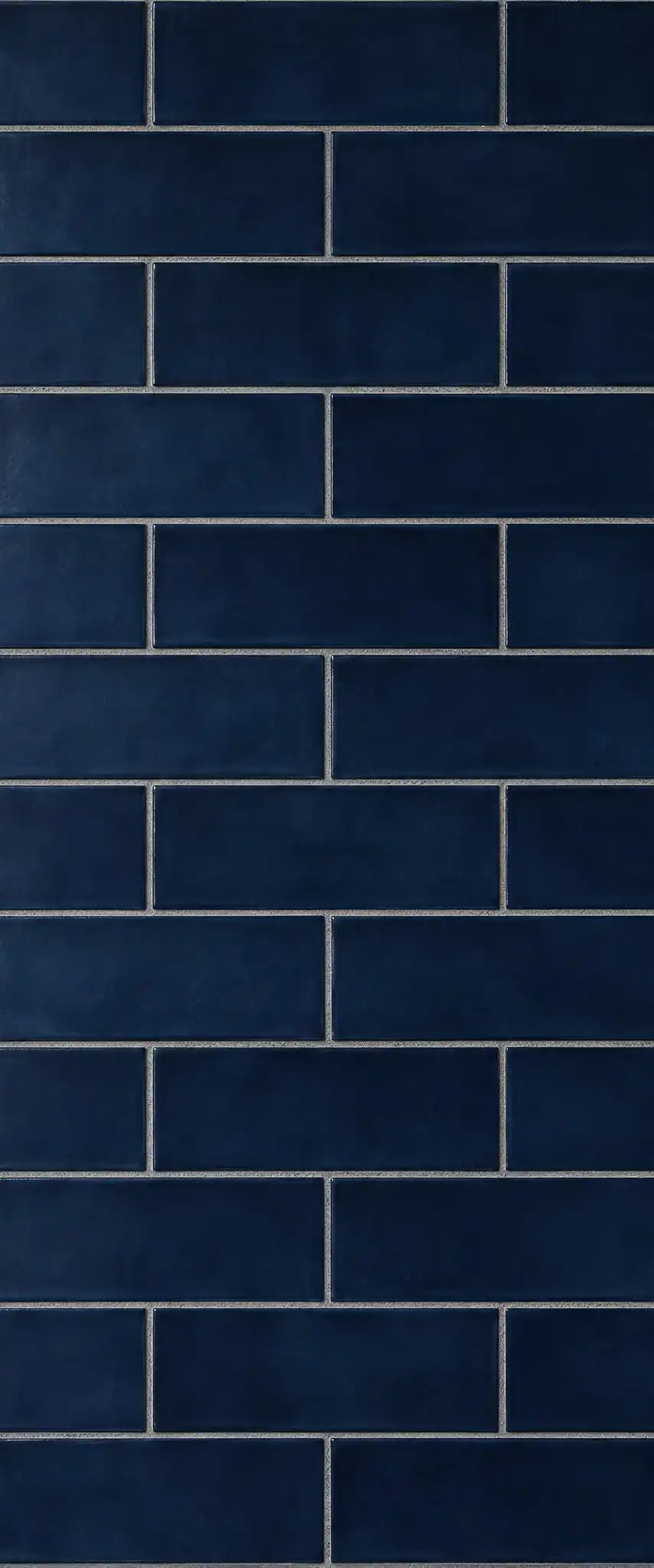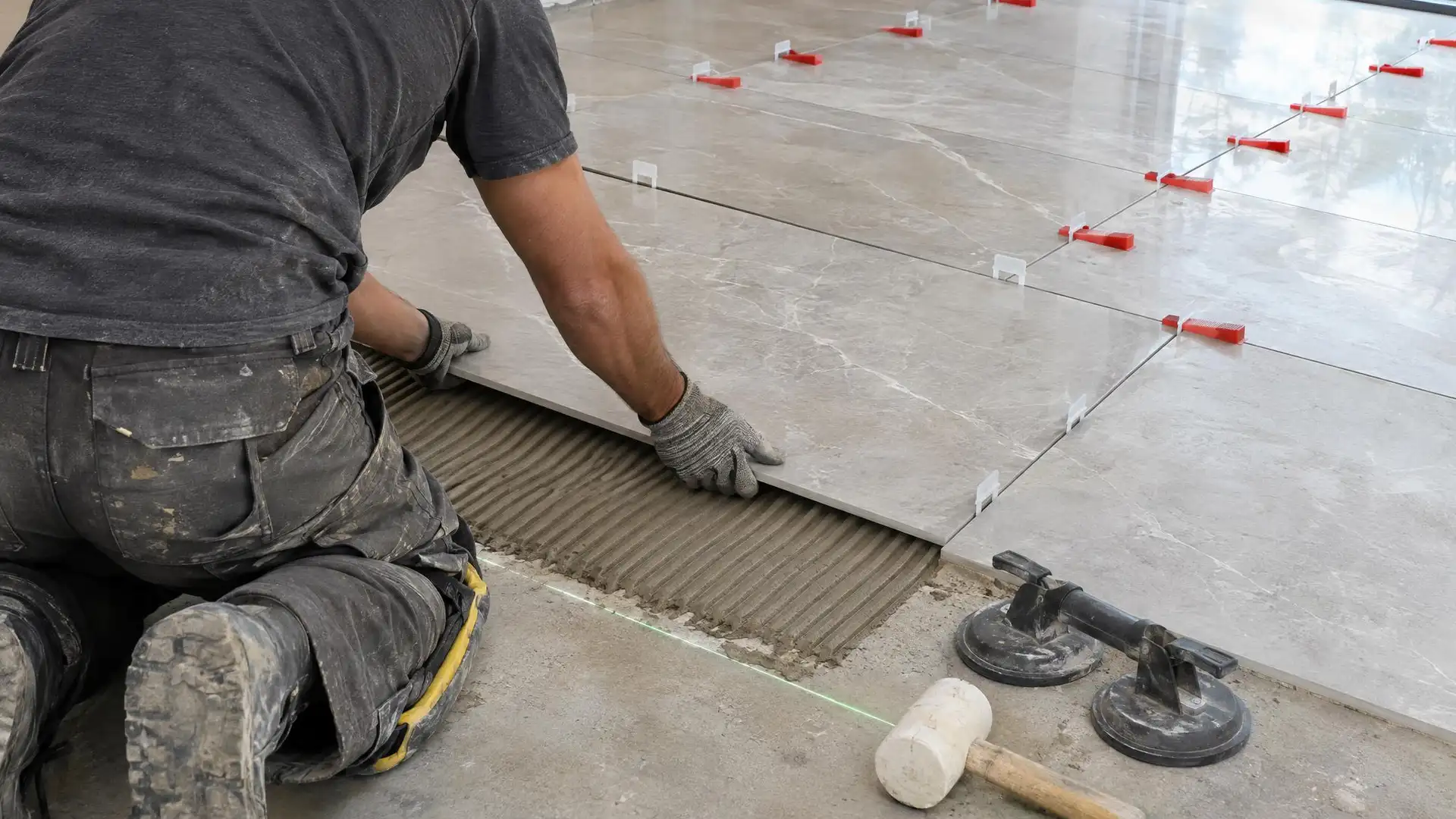
Tiles with any side longer than 15 inches count as large format, and today 24x24, 12x24, 24x48 and long planks are everyday choices. Fewer grout lines make rooms look bigger and calmer.
They are also less forgiving. A long tile cannot bend over a hump or into a dip, so an uneven floor shows up as lippage, where one tile edge sits higher than its neighbor.
What Large Tile Demands
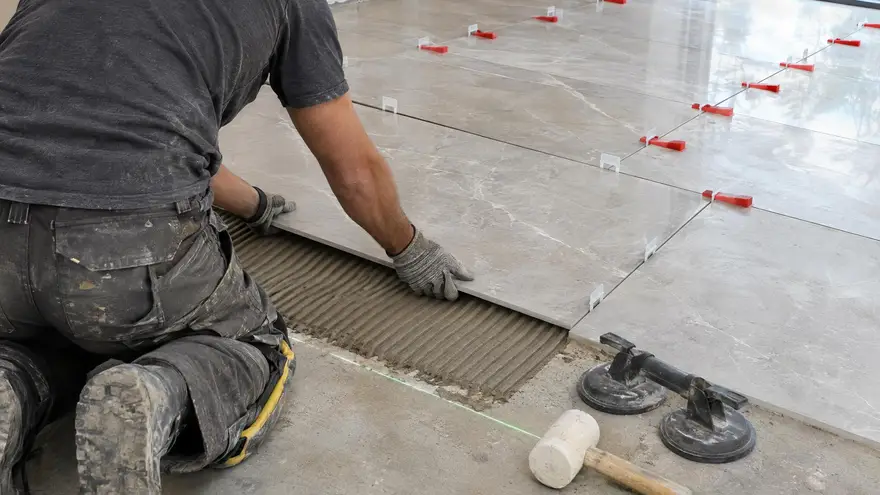
These steps are the difference between a flat floor and one that catches your toe.
- A substrate flattened to a much tighter tolerance than small tile needs
- Mortar made for large and heavy tile, which holds its shape under the weight
- Mortar on both the floor and the back of each tile for full contact
- A leveling clip system to hold edges even while the mortar cures
- A one-third offset at most on plank and rectangular tile, to avoid high centers meeting low ends
- Suction lifters and two people for the largest pieces
Flattening the Floor First
Most of the work happens before any tile is opened. We check the floor with a long straightedge, grind high spots and fill low areas with patching compound or self-leveling underlayment. This is covered in more detail under subfloor preparation.
On walls, we shim or skim the backer so large tiles sit in one plane and corners meet cleanly.
Where Large Format Shines
Open kitchens and living areas, primary bathrooms and shower walls all suit large tile. In a shower, pair it with a linear drain so the floor slopes in one plane. For the biggest look of all, see porcelain slab installation.
Need something else? See all of our floor tile installation services, or learn more about your local tile contractor in Arlington, VA.